
The Grandparent Scam: How to Protect Your Family

Mariana Raymond
May 22, 20243 min readEdited on Mar 2, 2026
The “grandparent scam” is no longer just a simple impersonation call — it’s now powered by AI and voice cloning.
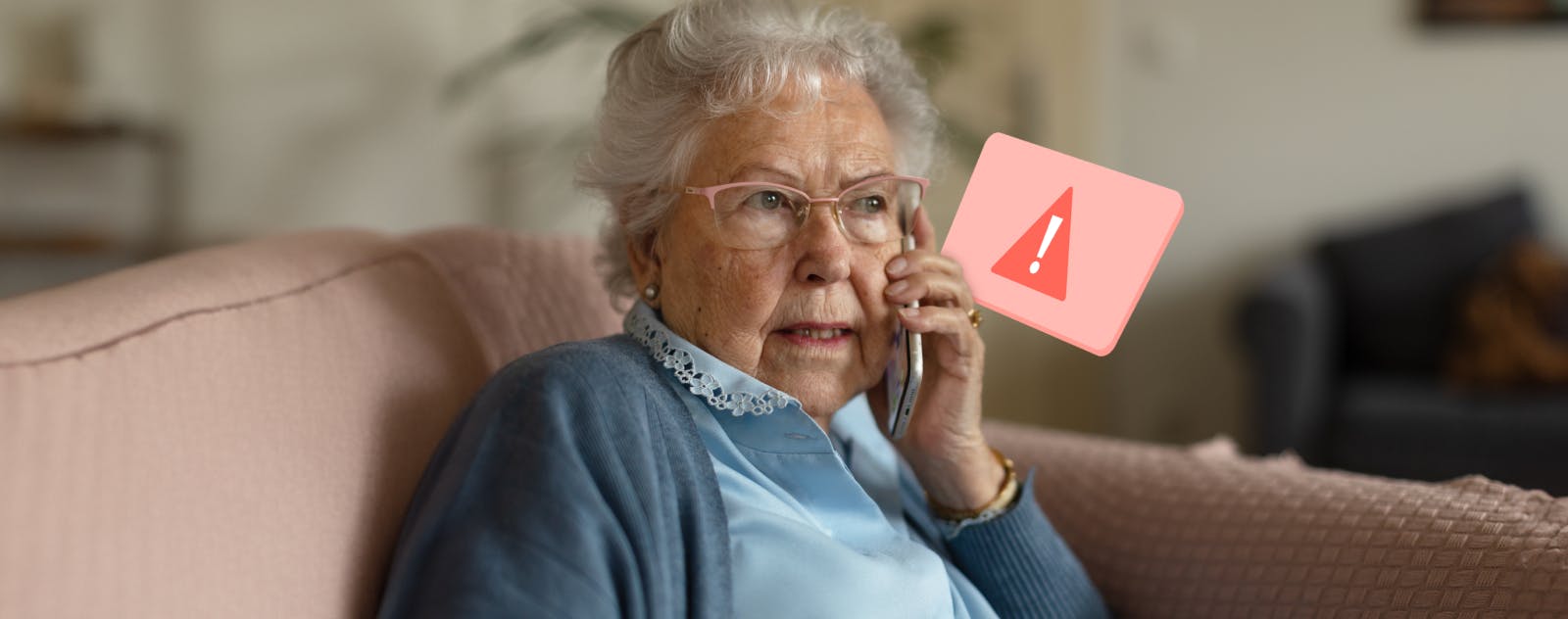
The phone rings. The caller says they’re your grandchild and they’re in trouble. There’s been an accident. They’ve been arrested. They’re stuck abroad and need money urgently.
This type of fraud is known as the “grandparent scam.” It has existed for years, but it’s becoming more sophisticated — and more convincing — with the help of AI.
What makes this scam effective is emotional pressure. The caller creates panic and insists the situation is urgent and confidential. Victims are pushed to act before they have time to verify the story.
These scams have caused significant financial losses worldwide. In one major case in Canada, a criminal group reportedly stole more than $2 million before being stopped. And now, new technology is making these schemes even more convincing.
AI is making this scam harder to detect
Scammers are increasingly using AI voice cloning tools. With just a short audio clip — often pulled from social media — they can generate speech that closely mimics a real person’s voice.
That means the caller may not just claim to be your grandchild. They may actually sound like them.
Combined with caller ID spoofing, where the phone number appears familiar, the situation can feel legitimate. For many families, that realism lowers their guard.
The Common Warning Signs
Despite the technological upgrades, the structure of the scam remains predictable. Watch for:
- A sudden call claiming a family emergency
- Pressure to act immediately
- Requests for secrecy
- Instructions to send money via wire transfer, gift cards, or cryptocurrency
The strongest red flag is urgency. Scammers rely on speed. The faster you act, the less likely you are to question the story.
How to Protect Your Family
Protection starts with slowing down. If you receive a call claiming a family emergency, don’t act immediately. Hang up and contact your family member directly using a trusted number — never rely solely on caller ID, which can be spoofed.
Many families are setting up a private “safeword” to confirm identity in real emergencies. If the caller can’t provide it, that’s a clear warning sign.
It’s also wise to review social media privacy settings. Public videos and voice recordings can give scammers enough material to clone a voice. Limiting access reduces that risk.
Above all, never send money based solely on a phone call, no matter how convincing it sounds. Talk about these risks as a family and agree in advance on how emergencies will be verified. In most cases, a brief pause and a quick check are enough to stop the scam.
How can Truecaller help?
Truecaller offers more than just our renowned Caller ID and spam-blocking features; we provide a fortress against fraud. Our technology helps you identify unknown calls and messages, allowing you to block scam attempts proactively, by both calls and texts.
At Truecaller we have made it our mission to build trust in communication. We do our best to help you navigate a world where fraud and unwanted communication are a part of your daily life. Stay updated about recent scams, and watch the latest YouTube videos on how you and the 450 million-strong community of people using Truecaller every month can stay protected. You'll find us on X, Facebook, Instagram, and TikTok.
Mariana Raymond
May 22, 20243 min read