
Same scams, just way smarter

Mariana Raymond
Apr 23, 20263 min read
You’ve probably come across these before - the message from your “bank,” the investment opportunity promising easy returns, or the job offer that appears out of nowhere.
The tactics haven’t changed, but AI has made them far more convincing and much harder to spot. Messages are sharper, conversations feel natural, and deepfake voice and video are now believable enough to feel real.
Here’s a closer look at the most common AI-driven scams to watch out for.
Impersonation scams
Still one of the most common - and one of the easiest to fall for.
It might start with a message from a “company” about a delivery or account issue. Or someone who slowly builds a relationship with you online. Over time, trust builds. Then comes the ask - money, help, something urgent.
AI makes this far more convincing. Messages sound natural. Voice feels real. Some scammers even use deepfake video calls.
How to protect yourself: Don’t rely on how real something feels. Always verify the person or company through an official channel before responding or taking action.
Investment scams
Same promise, same trap: fast returns, low risk.
You might see a platform where your money appears to grow. You may even get “proof”—screenshots or transactions that look legitimate.
None of it is.
AI helps scammers create polished websites, fake testimonials, and videos of “experts” endorsing the opportunity.
What to remember: Real investments don’t guarantee returns. If it sounds risk-free or unusually profitable, step back and don’t engage.
Job scams
These often land when you’re already open to new opportunities.
The offer might come through text or messaging apps. The role sounds simple, the pay is attractive, and everything moves quickly. Then comes the catch - you’re asked to pay a fee, handle money, or send part of a payment back.
Some even impersonate real companies with convincing communication.
Rule to follow: A legitimate job will never ask you to pay upfront or move money on their behalf. That’s a clear red flag.
QR code scams
Simple, fast, and easy to overlook.
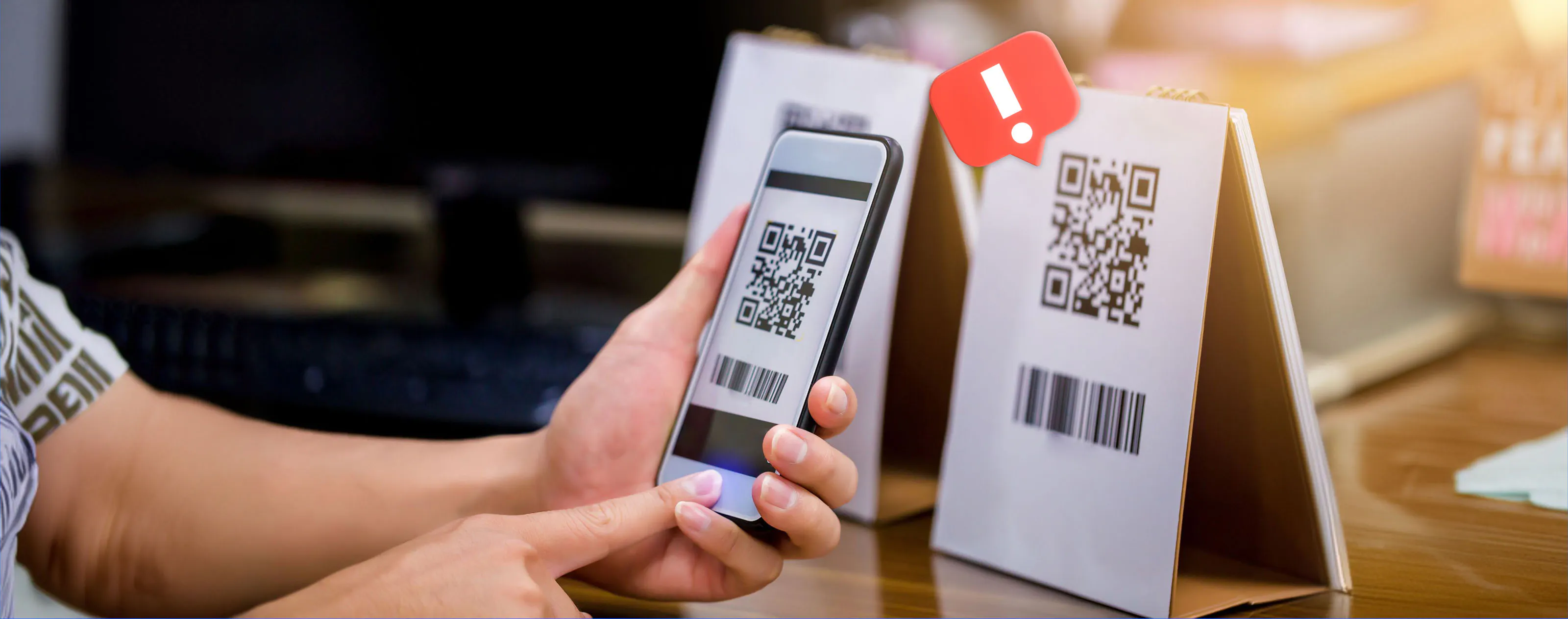
You scan a code at a parking meter, on a flyer, or in a message. It leads to what looks like a normal payment page, but it’s fake.
AI makes it easier to replicate real websites, making the difference harder to spot.
Stay cautious: Avoid scanning QR codes from unknown, tampered, or unexpected sources. When in doubt, go directly to the official website instead.
The scams themselves haven’t changed, but the way they reach you has become much harder to spot.
When something feels urgent, unexpected, or just a little too convincing, remember:
- Stay alert
- Slow down
- Think before you click
Scammers rely on speed and pressure to push quick decisions. Taking a moment to pause, question what you’re seeing, and verify before you act is often enough to avoid the trap.
How can Truecaller help?
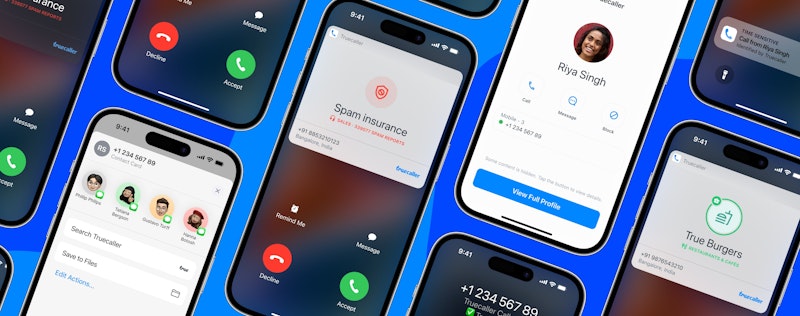
Truecaller offers more than just our renowned Caller ID and spam-blocking features; we provide a fortress against fraud. Our technology helps you identify unknown calls and messages, allowing you to block scam attempts proactively, by both calls and texts.
At Truecaller we have made it our mission to build trust in communication. We do our best to help you navigate a world where fraud and unwanted communication are a part of your daily life. Stay updated about recent scams, and watch the latest YouTube videos on how you and the 500 million-strong community of people using Truecaller every month can stay protected. You'll find us on X, Facebook, Instagram, and TikTok.
Mariana Raymond
Apr 23, 20263 min read