
How Truecaller Stops Impersonation Scams

Truecaller
Aug 12, 20263 min read
Impersonation scams often begin with a simple deception: making a caller appear to be someone they are not.
A fraudster may pose as a police officer, bank official or KYC representative to gain someone’s trust. They may use a misleading name, an authoritative profile photo or frequently change their identity to avoid detection.
Truecaller uses multiple layers of protection to make this kind of impersonation more difficult and give users greater context before they answer.
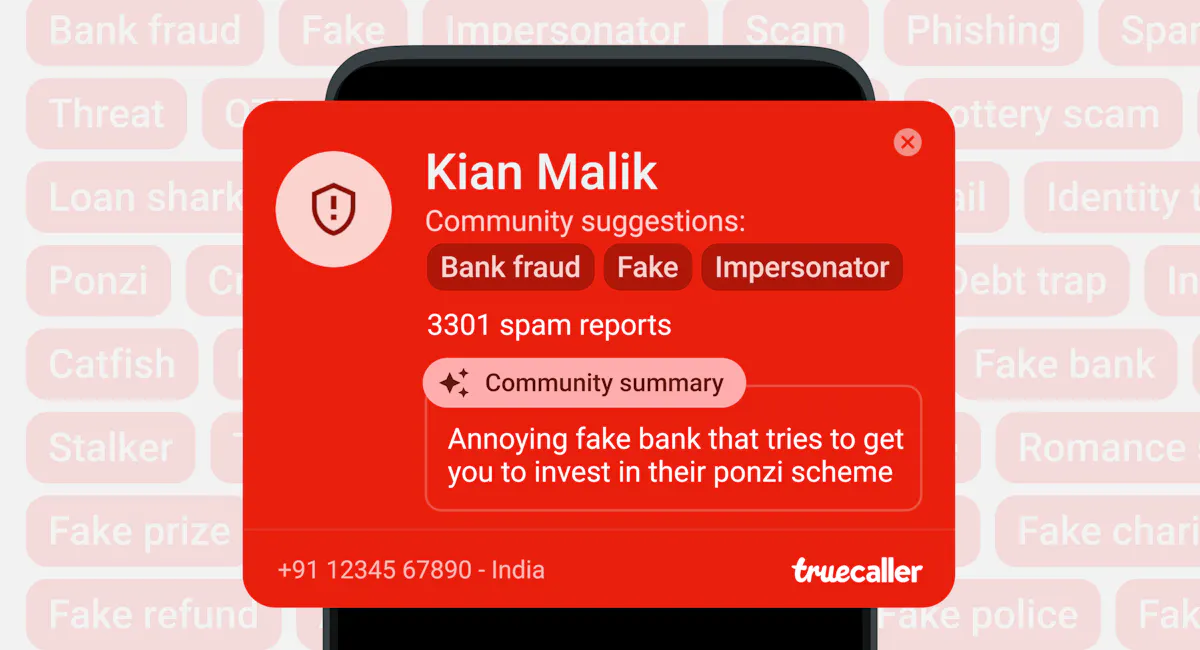
1. Community Suggestions Add More Context
A caller’s self-declared name is not the only source of information available on Truecaller.
Community Suggestions provide additional context based on how other users identify or recognise a number. This can include details associated with the caller, such as a commonly suggested name, business, profession or location.
So, even if someone tries to present themselves under a misleading identity, suggestions made by other Truecaller users can reveal the real identity.
2. Verified Profiles Using Aadhaar-Based Verification
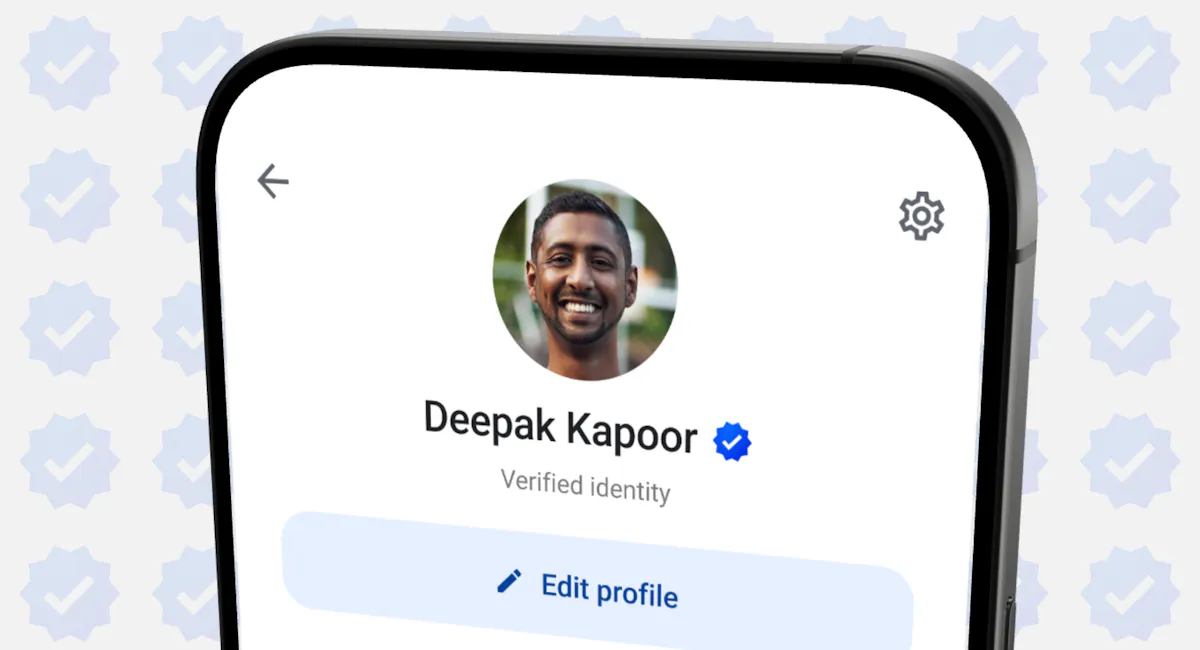
Truecaller users in India can voluntarily verify their names using Aadhaar-based verification.
Once the name is successfully verified, a blue tick appears for that person. This helps people distinguish an identity-verified profile from one that is based only on information added by the user or suggested by the community.
The blue tick provides an additional identity signal, making it harder for someone to impersonate another person using a false name.
3. Restrictions on Misleading Names
Truecaller does not allow users to freely create profiles that misleadingly present them as police officers, bank officials, KYC representatives or people in other sensitive public-facing roles.
For example, a user cannot simply create a profile using names such as “Police Officer", “Bank Manager” or “KYC Department". These restrictions help prevent scammers from using authoritative names to appear credible and pressure people into answering or sharing sensitive information. Truecaller blocks thousands of such impersonation fraudsters every day.
4. Checks for Misleading Profile Photos
A familiar or authoritative-looking profile photo can make a fake identity appear convincing.
Truecaller applies checks to identify profile photos that may falsely represent police personnel, bank officials or people in other sensitive public-facing roles. Potentially misleading images can be restricted to reduce the chances of scammers using uniforms, official imagery or institutional logos to create a false sense of authority.
5. Verified Business Profiles
Businesses can complete Truecaller’s verification process, including KYC checks, to establish their identity on the platform.
Once verified, their calls appear with a green Caller ID. This helps users recognise that the call is genuinely coming from the displayed business, rather than from someone simply claiming to represent it.

6. Greater Transparency When a Caller Changes Their Name
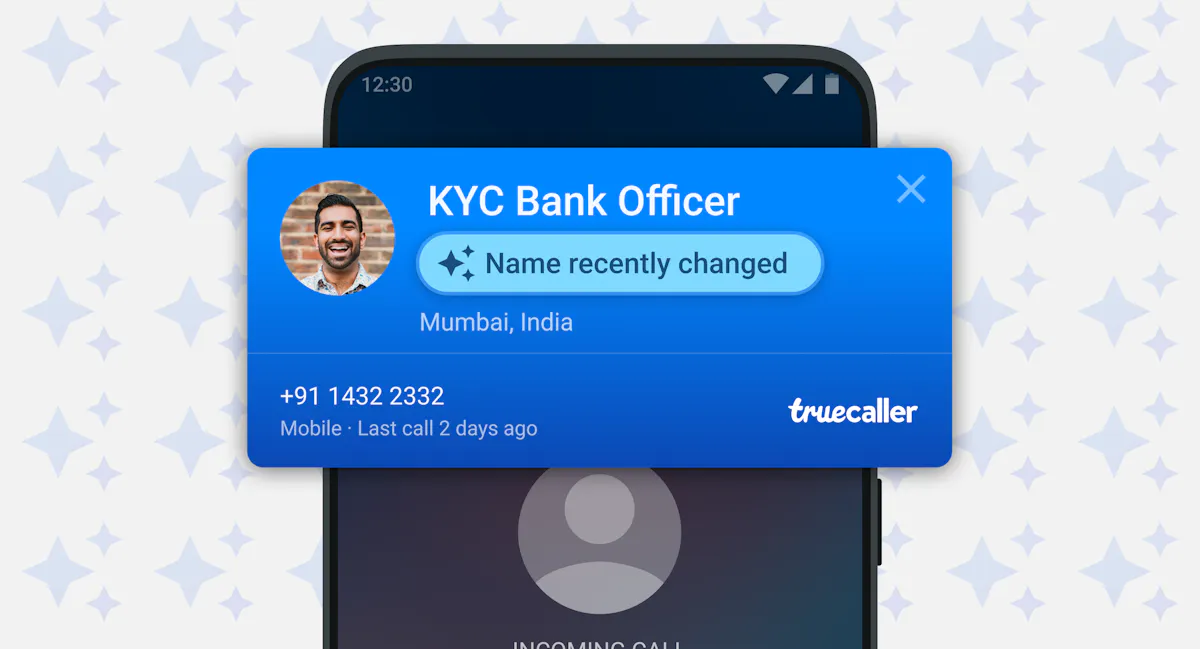
Scammers frequently change profile names as they move from one impersonation attempt to another. Truecaller helps users notice these changes by displaying a “Name recently changed ”.
For example, if a number previously identified as Rahul Kumar changes its profile name to Bank KYC Officer, the Caller ID displays "Name recently changed”.
This additional information can immediately alert the recipient that the identity has changed and that the call may require greater caution.
Impersonation Prevention in Multiple Ways
No single signal can prevent every impersonation attempt. That is why Truecaller uses multiple safeguards together:
- Adding context through Community Suggestions
- Offering Aadhaar-based profile verification
- Restricting the misuse of authoritative names
- Checking potentially misleading profile photos
- Identifying verified businesses through a green Caller ID
- Highlighting recent name changes
Together, these layers make it harder for scammers to hide behind a false identity and help people make a more informed decision before answering.
Users should still remain cautious when receiving unexpected calls. Never share an OTP, PIN, password or banking information simply because a caller’s name or photo appears familiar.
Preventing impersonation is not only about showing a name. It is about helping people understand who may really be behind the call.
Truecaller. Know the caller. Not just a name.
Truecaller
Aug 12, 20263 min read